

ALCHEMY in Vertigo
My favorite Bernard Herrmann score, for my favorite Hitchcock film

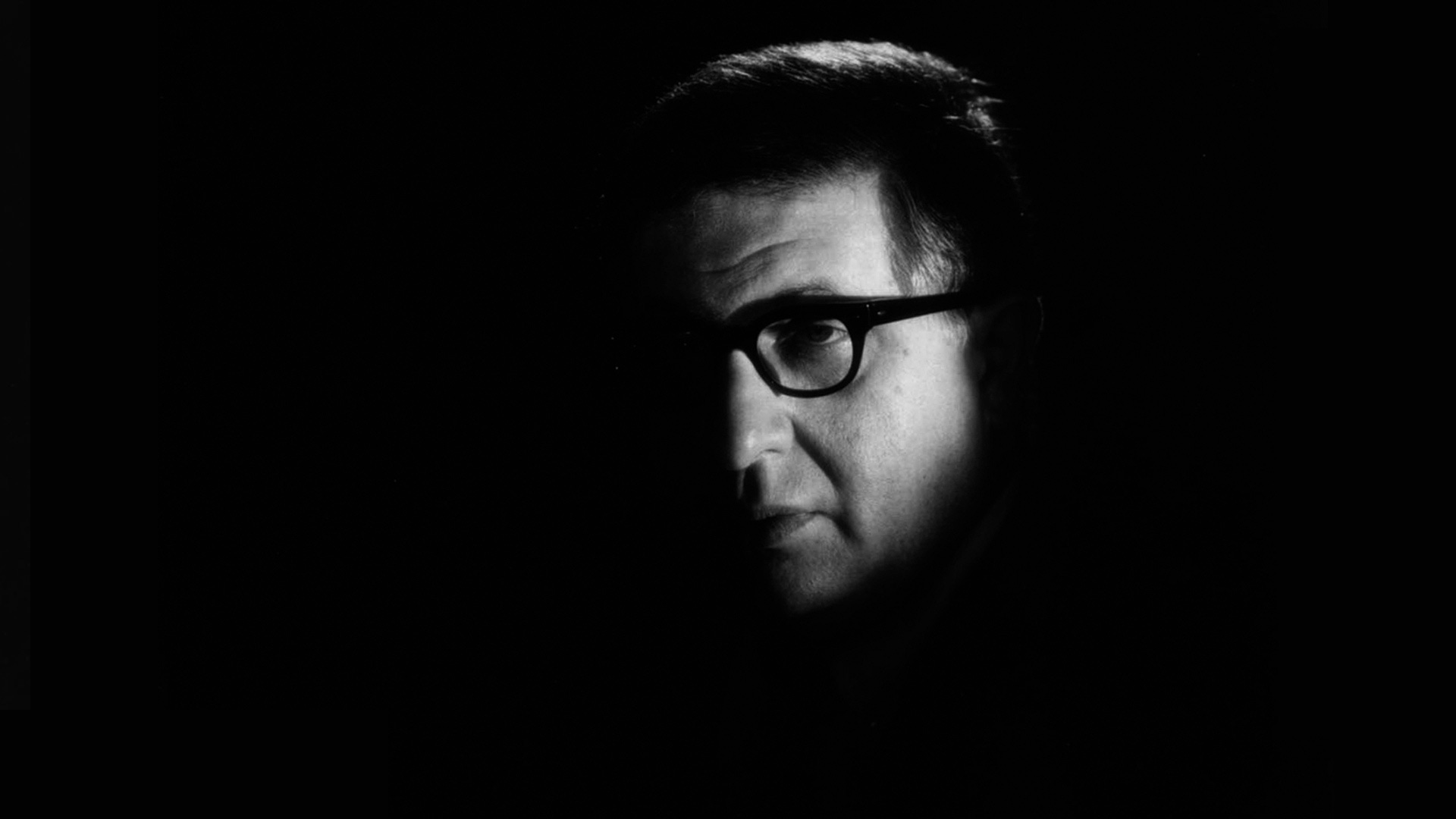
Bernard Herrmann was the first master film composer. That’s a provocative statement, I know, and I can hear some of you shouting at me through your laptops. Obviously it’s a purely subjective opinion—but it is mine.
While I would never discount the importance and significant contributions of the other composers in Hollywood’s first wave—Steiner, Korngold, Newman, Tiomkin—I just don’t connect with their work the way I connect with Herrmann’s. This is partly just a matter of personal taste, but also those other composers were, by and large, operating in two very different modes to Herrmann: stylistically, they were writing in the vein of either Viennese operetta, Broadway show music, or adapted folk tunes; and narratively, they were mostly commenting on and reacting to the surface of films, providing accompaniment that was fundamentally earnest and obvious.
Now, that’s painting with a very broad brush, and I know there are exceptions. But if we can accept it as a general truth…
By contrast, Herrmann was a modern composer and an American composer, not steeped in the music of European and Russian opera houses but grown in the same soil as Charles Ives and Aaron Copland. His style was incredibly modern—not in the sense of serialism or atonality, but as a pioneer minimalist. He spun scores out of small melodic cells and ostinatos (though he could also write a great tune), anticipating the influence of mantric Indian music and the rise of composers like Philip Glass and even Hans Zimmer (though the resulting styles are nothing alike). Which is one of the things that makes his film music still resonate today; it’s a contemporary and engrossing language. It’s hypnotic, and fundamentally cinematic.
But he also, unlike his peers in Old Hollywood, went inside the stories—into the very emotions and psyches and subtexts of their characters. This marriage of minimalism (which naturally has an obsessive quality) and subtext elevates him to the top of the first wave heap, in my opinion—the first Hollywood composer to crack the code of cinema. It also made him the perfect match for Alfred Hitchcock.
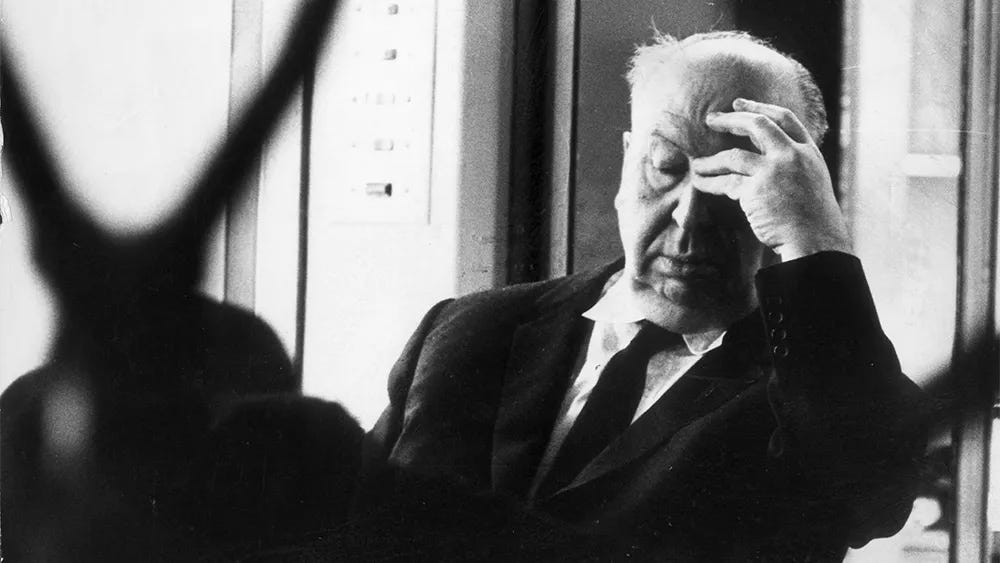
Hitchcock had always been interested in stories about murder and human psychology and paranoia (and yes, suspense), but the composers he’d been assigned in the first two decades of his career didn’t really have the inclination (or perhaps the freedom) to go much deeper than the surface of the plot. You could argue that Miklós Rózsa did in Spellbound, with its ghostly theremin motif standing in for Gregory Peck’s traumatic flashbacks; that device does presage the sort of thing Herrmann would bring to the table, but I find it a little overwrought and theatrical (like most scores of the 1940s), and it doesn’t really tell us much beyond what the flashbacks and imagery already do.
